









Walking Through Time: Exploring Exile and Migration in Giesing
Giesing is a district in southeastern Munich that used to be a working-class neighborhood. Although Munich looks back on a rich history shaped by exile and migration, there is still no monument honoring the persecuted, refugees, and migrants of different eras. In addition, there is a lack of publicly accessible knowledge about cultural practitioners who lived and worked in Giesing.
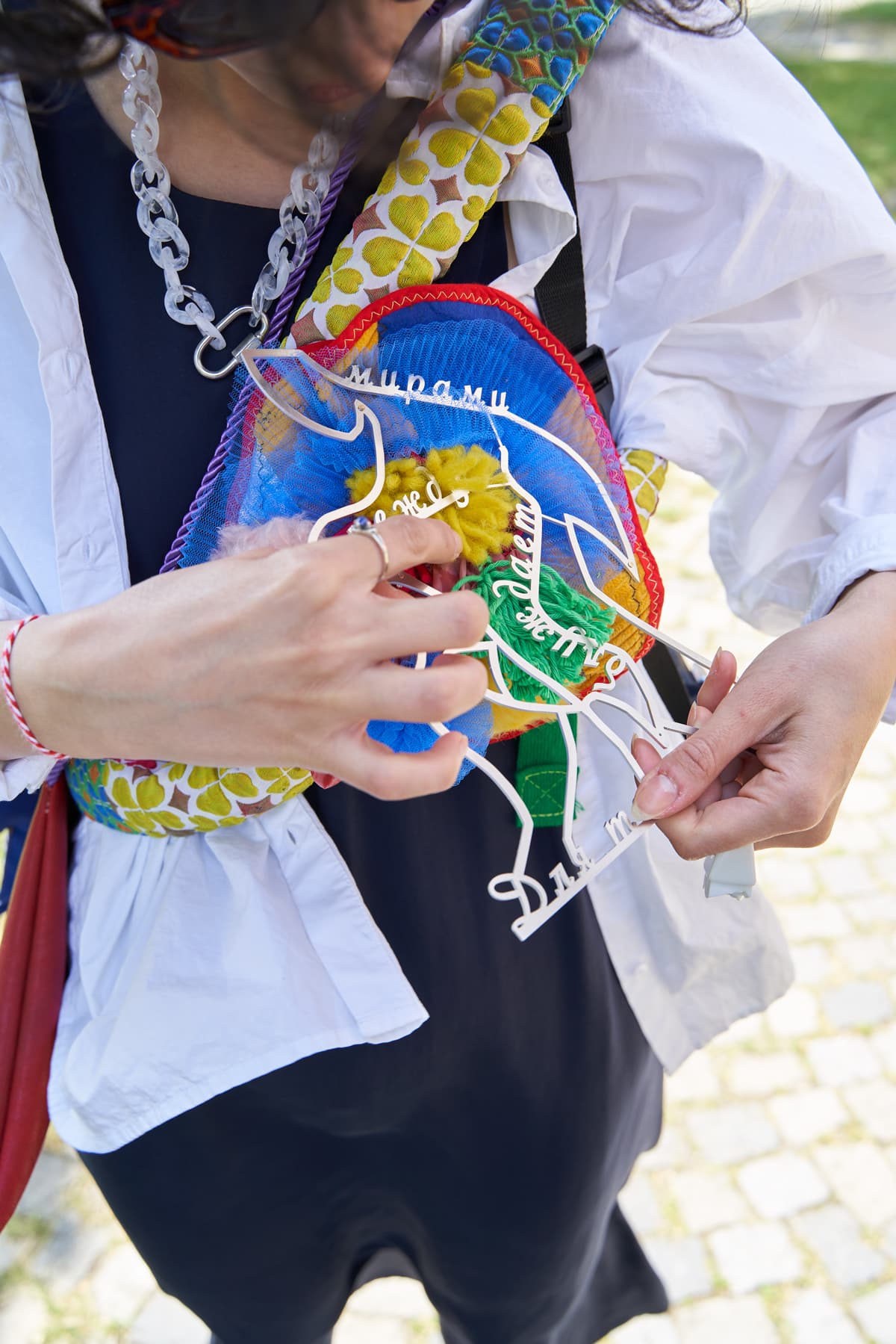
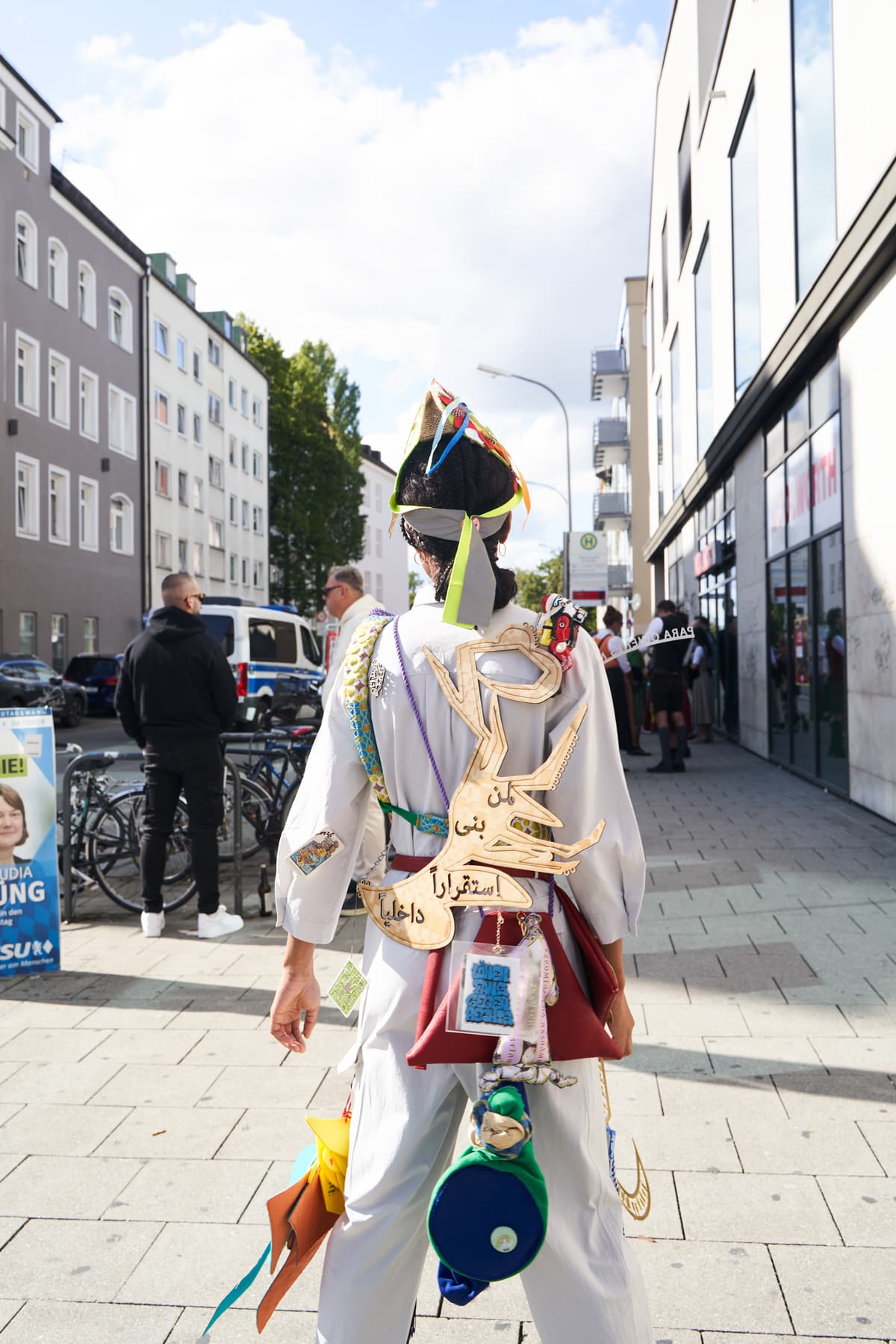
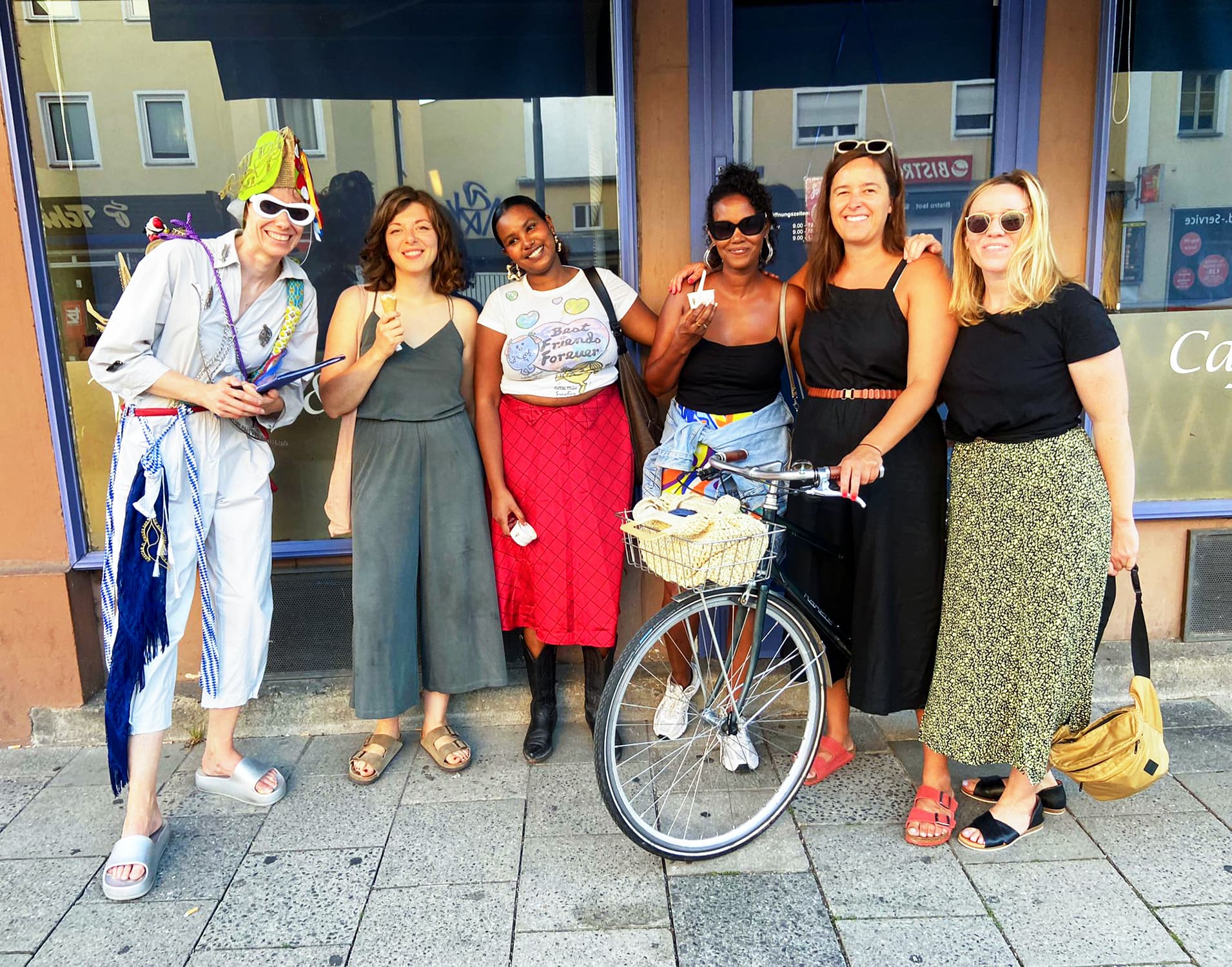
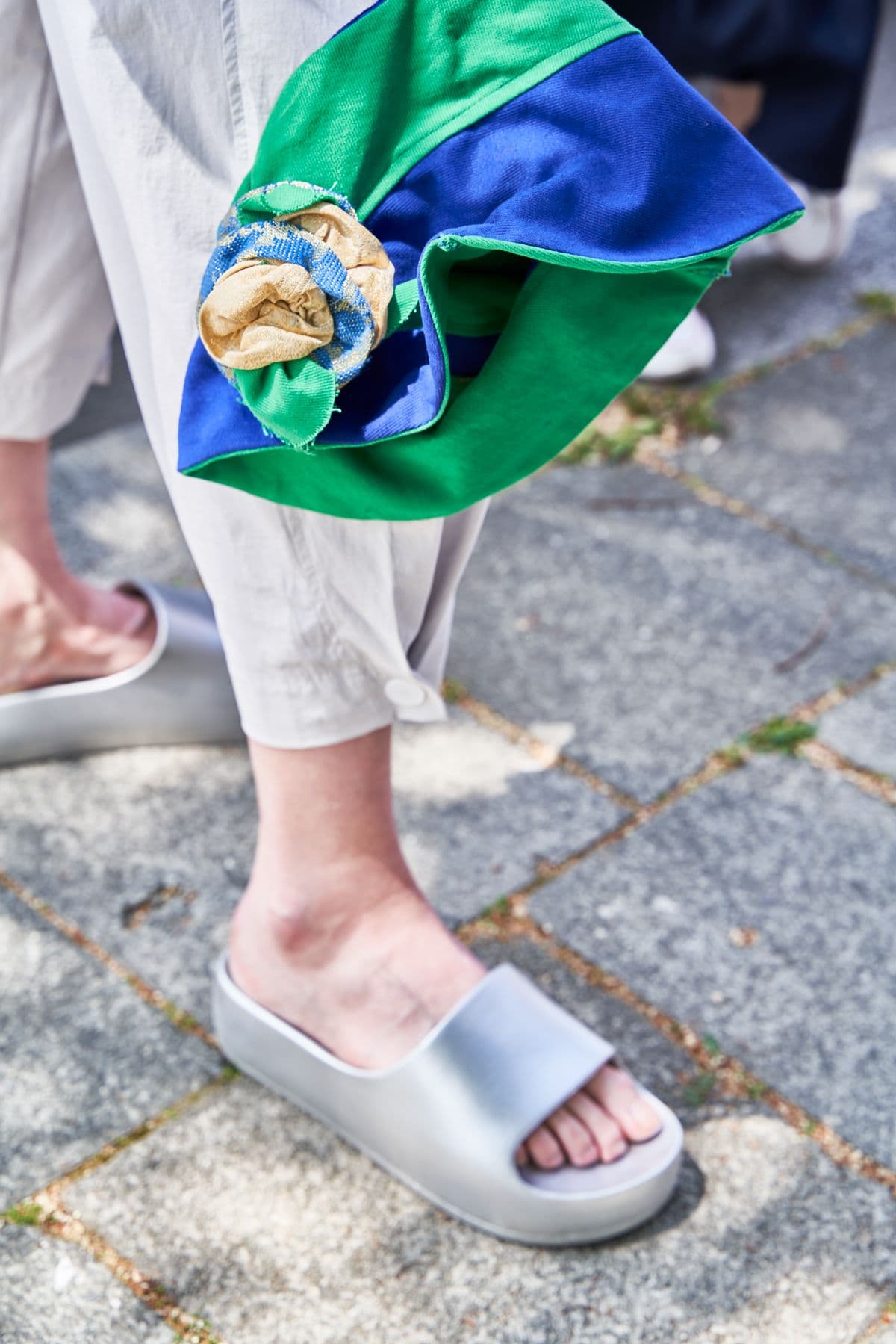
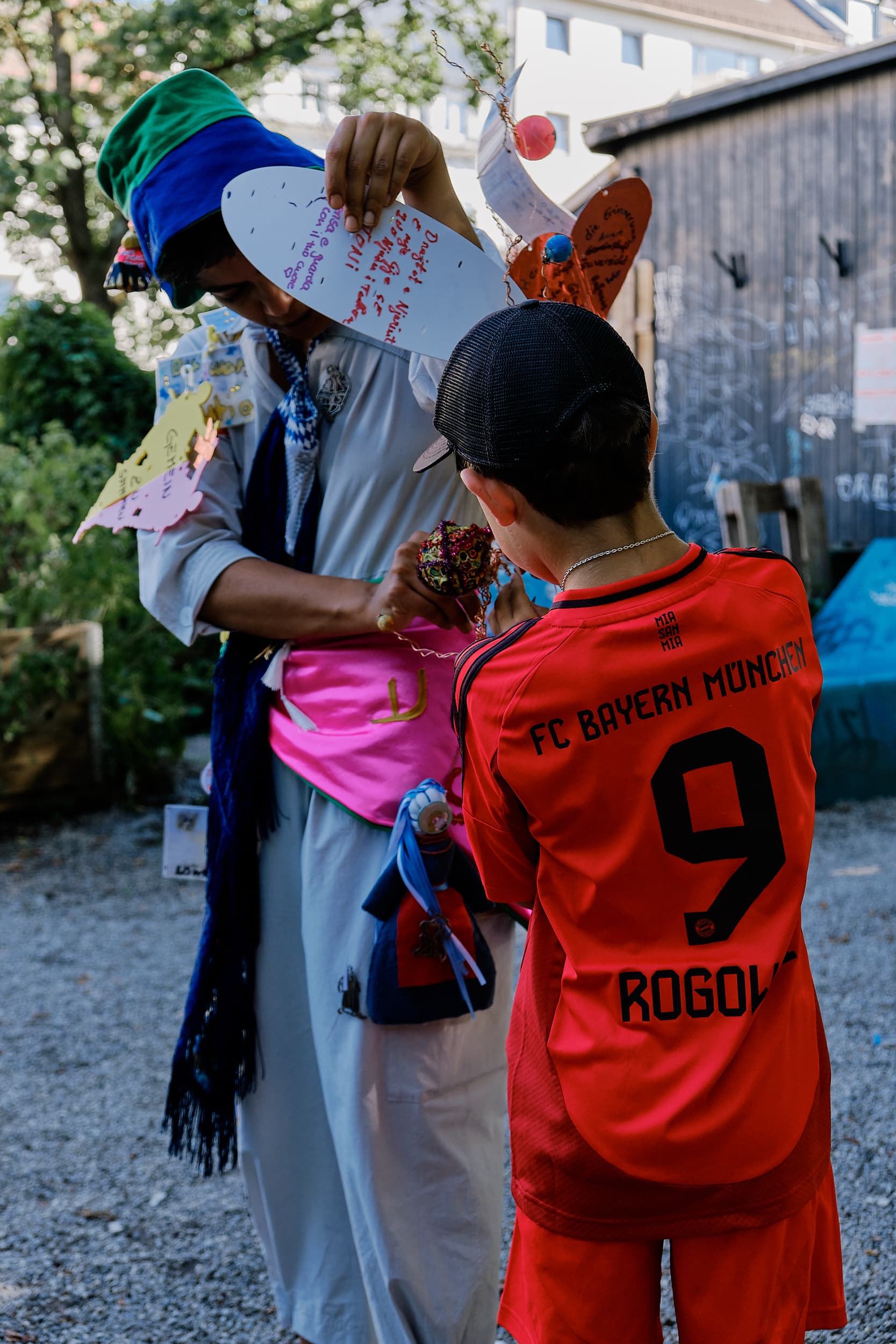
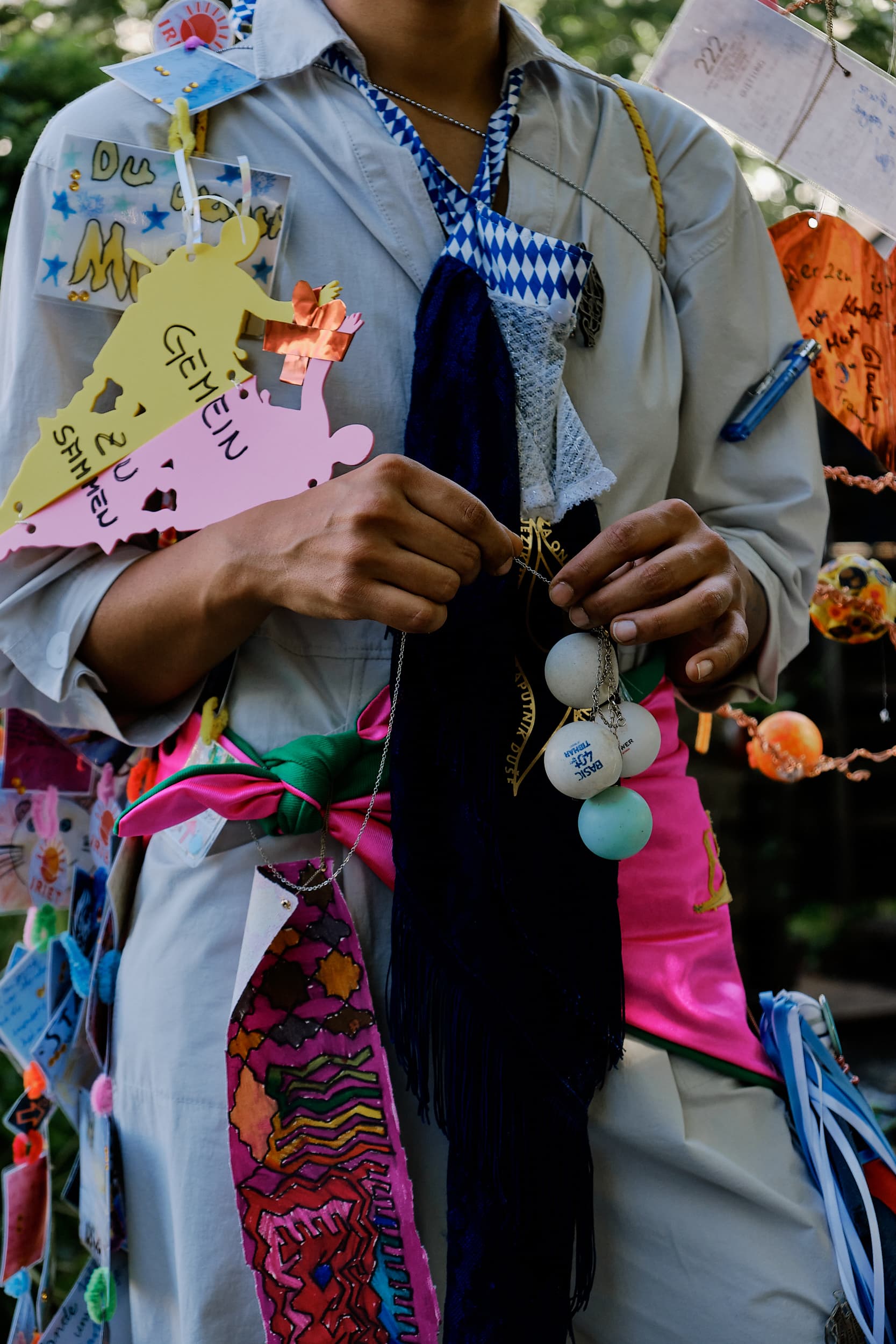
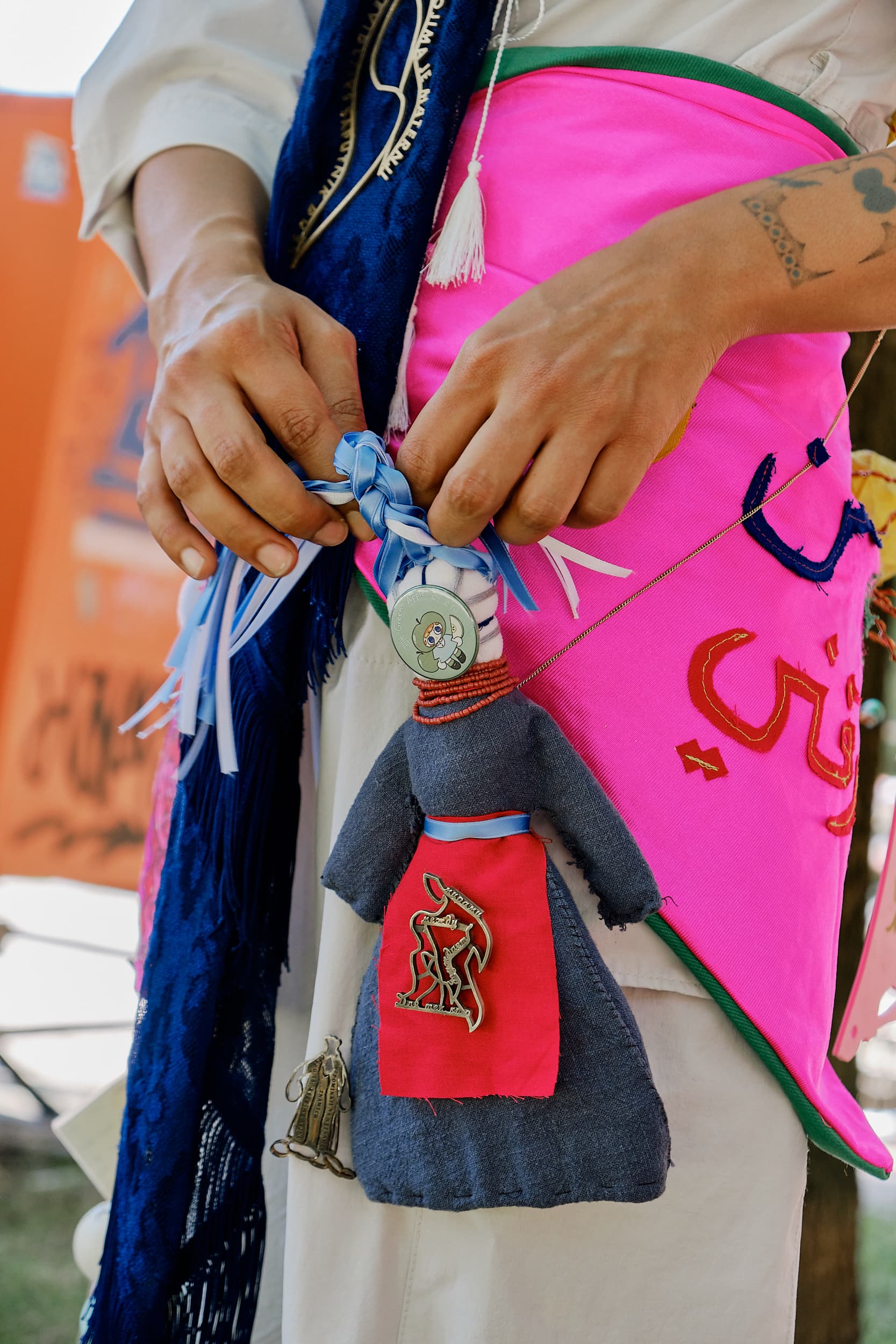
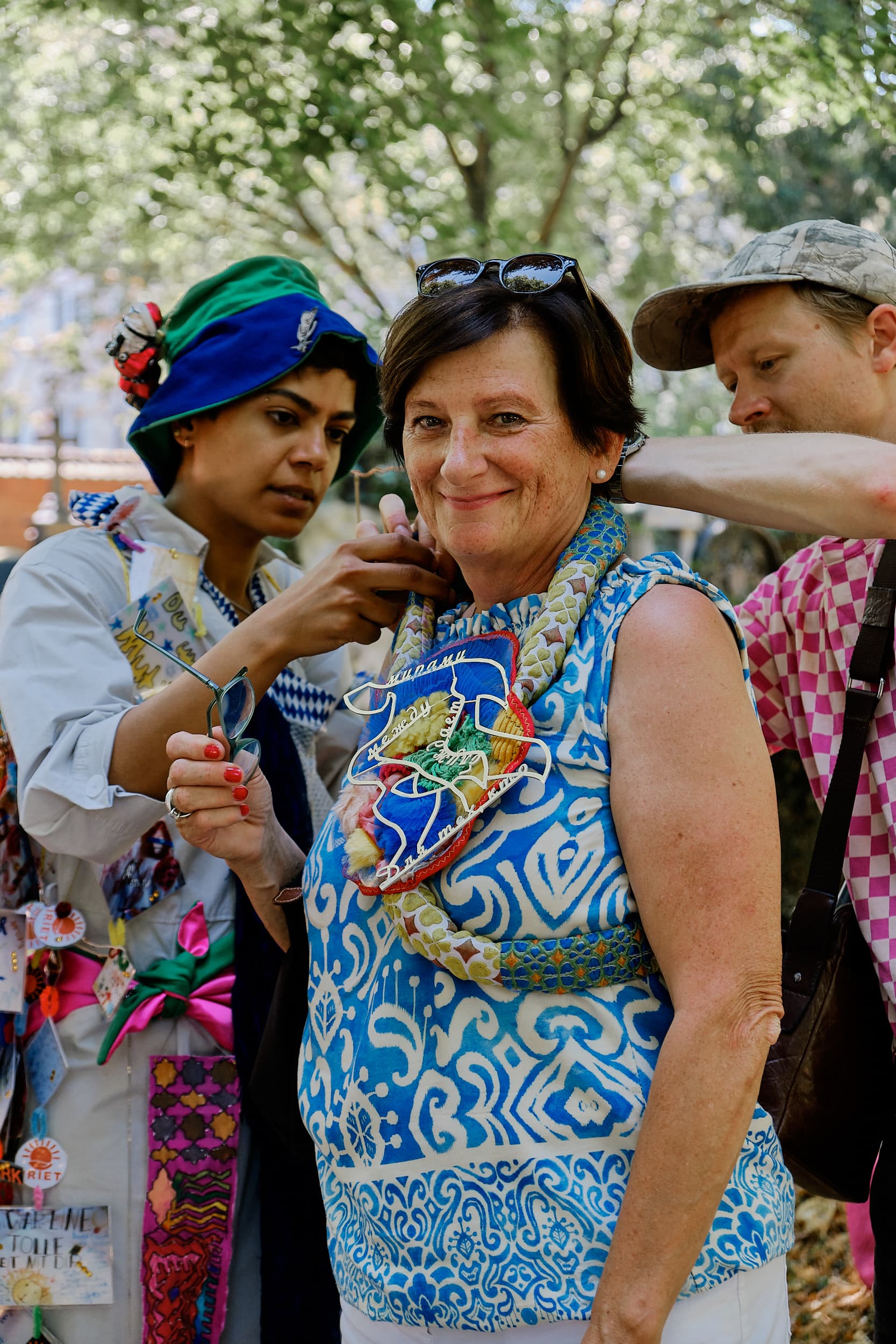
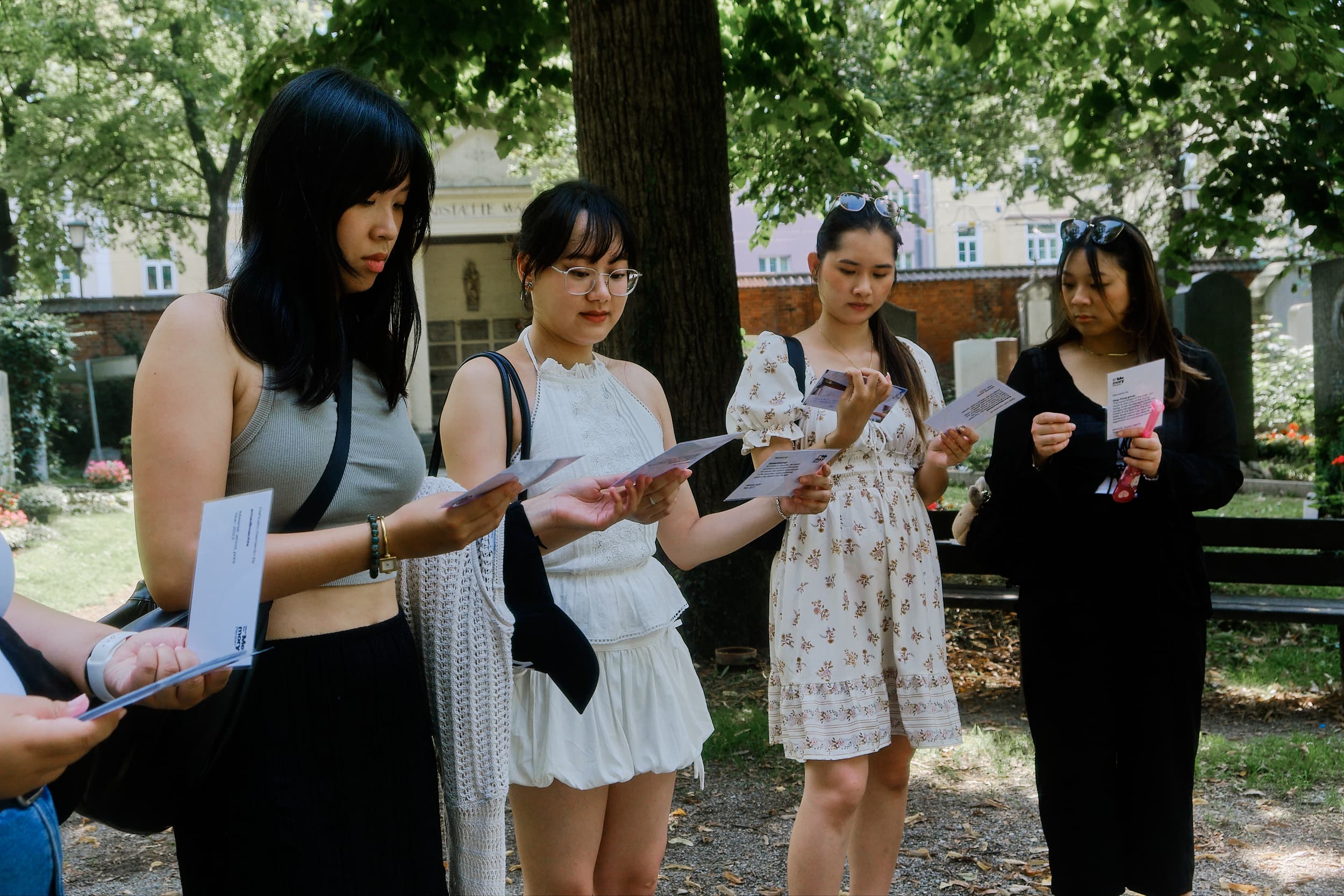
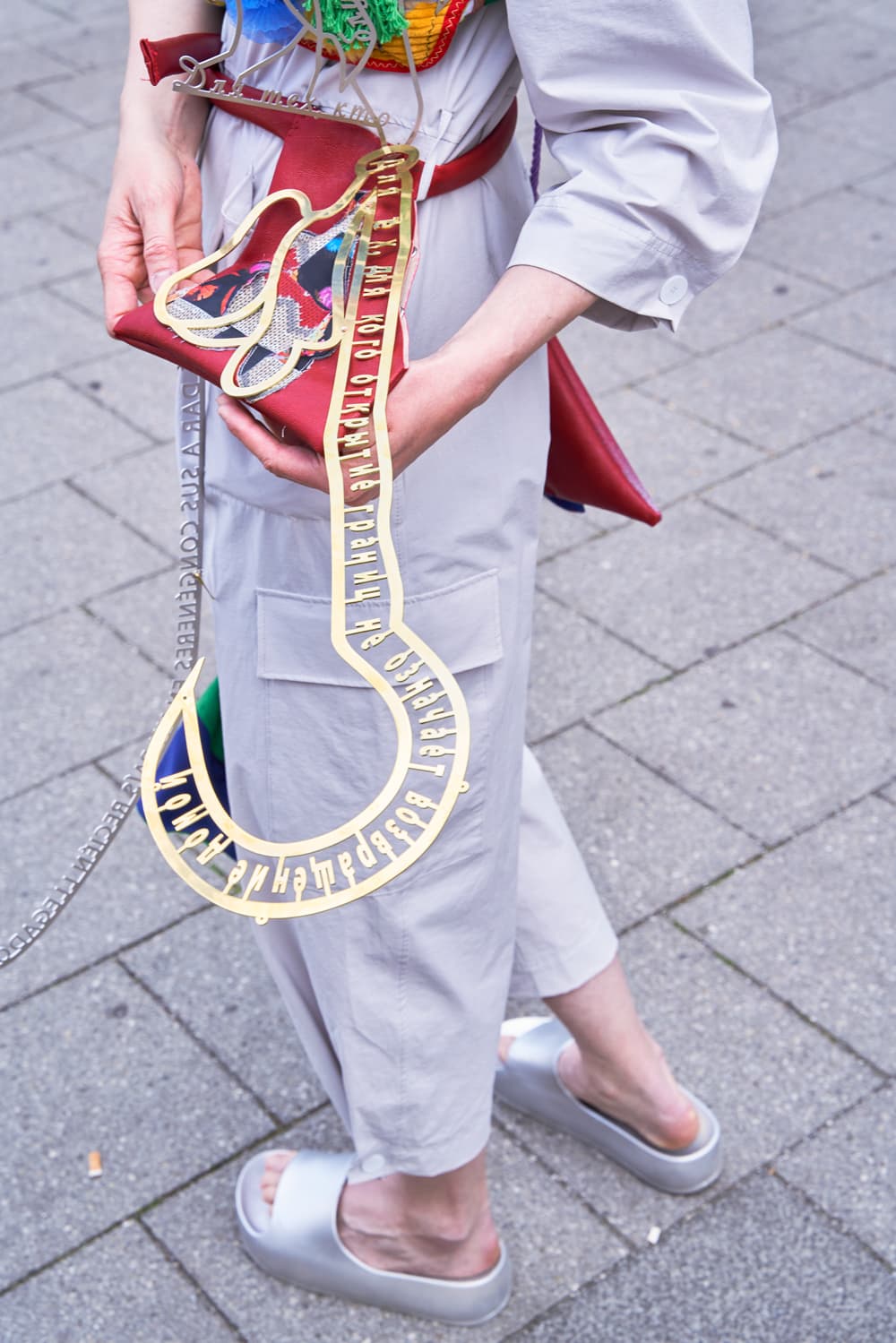
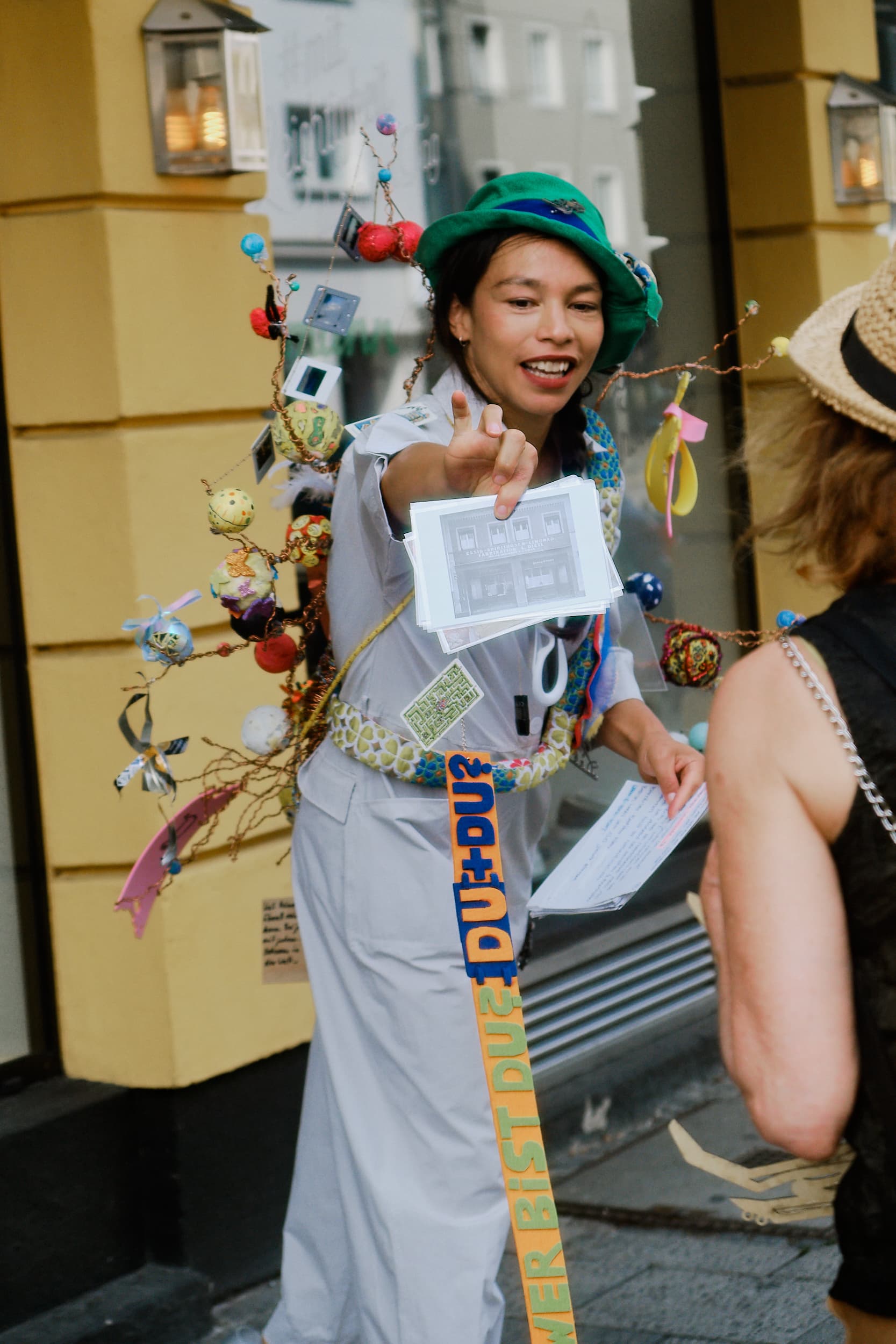
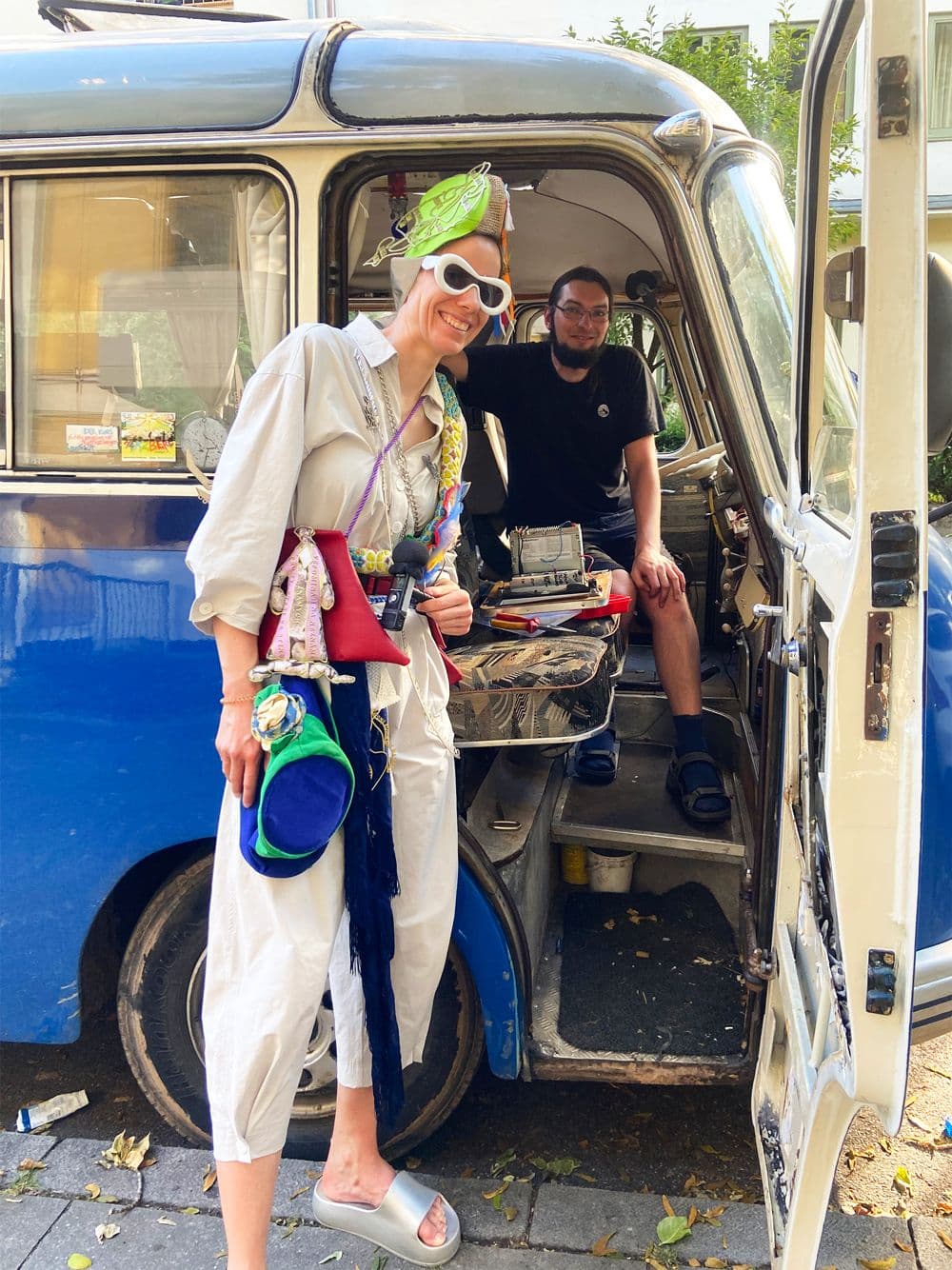
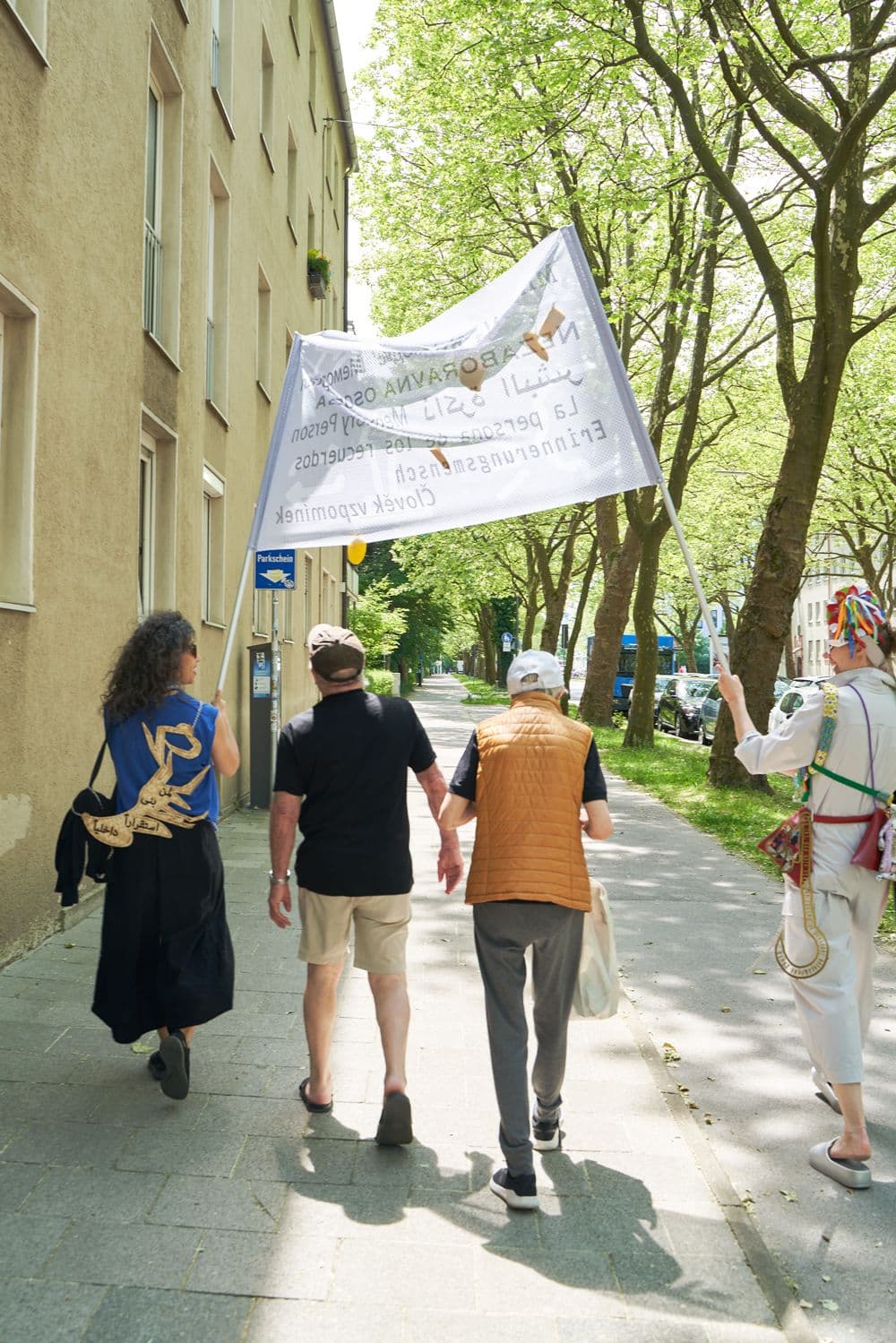
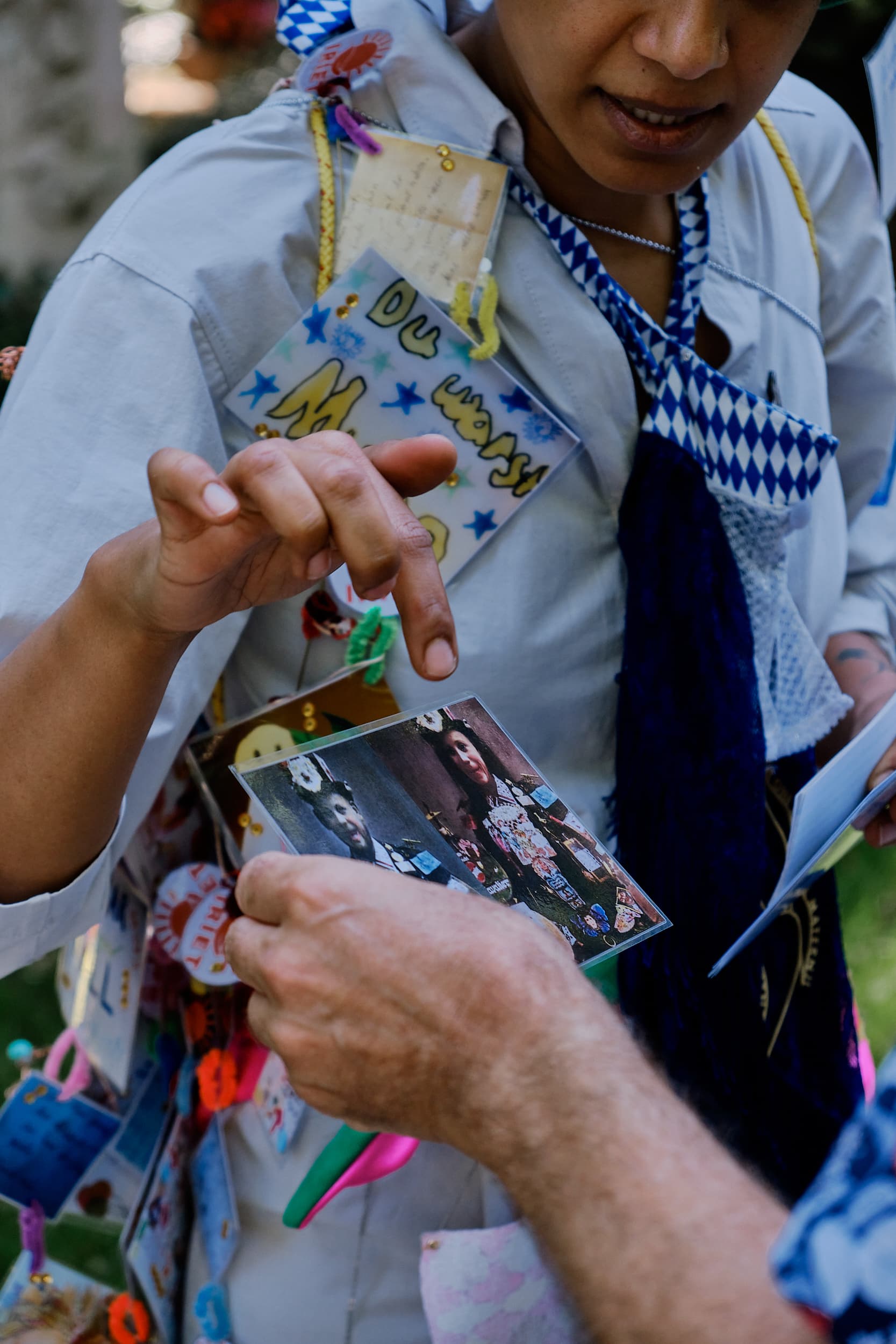
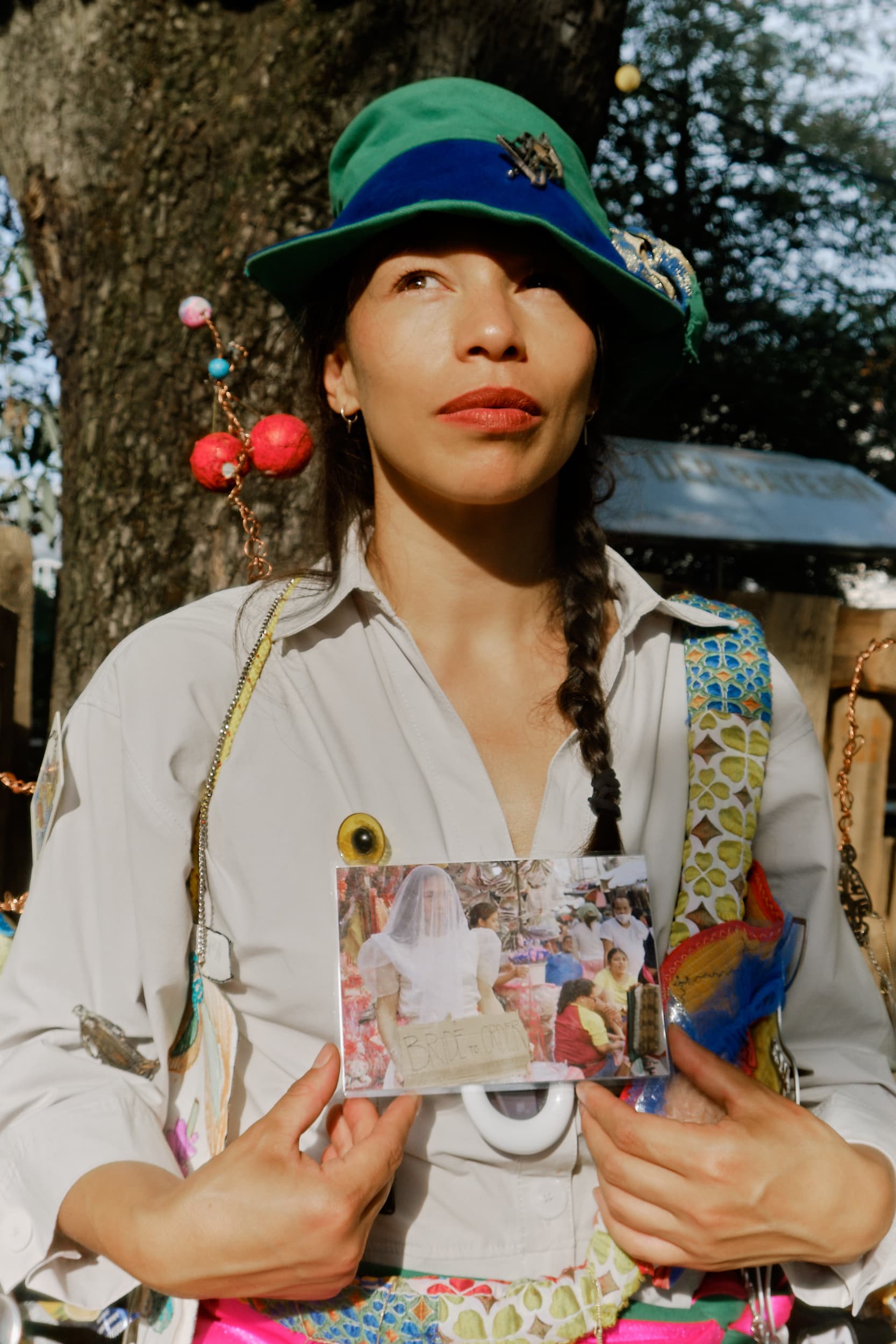
To bridge this gap, "The Memory Person" collects stories from creatives connected to exile and migration in Giesing. The gathered memories are preserved for the future and shared with the public—among other things, through neighborhood tours. Participants are invited to carry the artworks themselves and learn more about their authors. "The Memory Person" leads to places with a hidden history of exile and migration, invites reflection on their contemporary significance, and spontaneously engages passersby in conversation along the way.
Walking Through Time: Exploring Exile and Migration in Giesing
Giesing is a district in southeastern Munich that used to be a working-class neighborhood. Although Munich looks back on a rich history shaped by exile and migration, there is still no monument honoring the persecuted, refugees, and migrants of different eras. In addition, there is a lack of publicly accessible knowledge about cultural practitioners who lived and worked in Giesing.
To bridge this gap, "The Memory Person" collects stories from creatives connected to exile and migration in Giesing. The gathered memories are preserved for the future and shared with the public—among other things, through neighborhood tours. Participants are invited to carry the artworks themselves and learn more about their authors. "The Memory Person" leads to places with a hidden history of exile and migration, invites reflection on their contemporary significance, and spontaneously engages passersby in conversation along the way.
'Munich Originals Revisited' - Performance 'Meet the Memory Person' in Giesing, 2023
Impressions of the first Memory Person walks in the summer of 2023. 12:33 min.




Memory Sites and Untold Stories
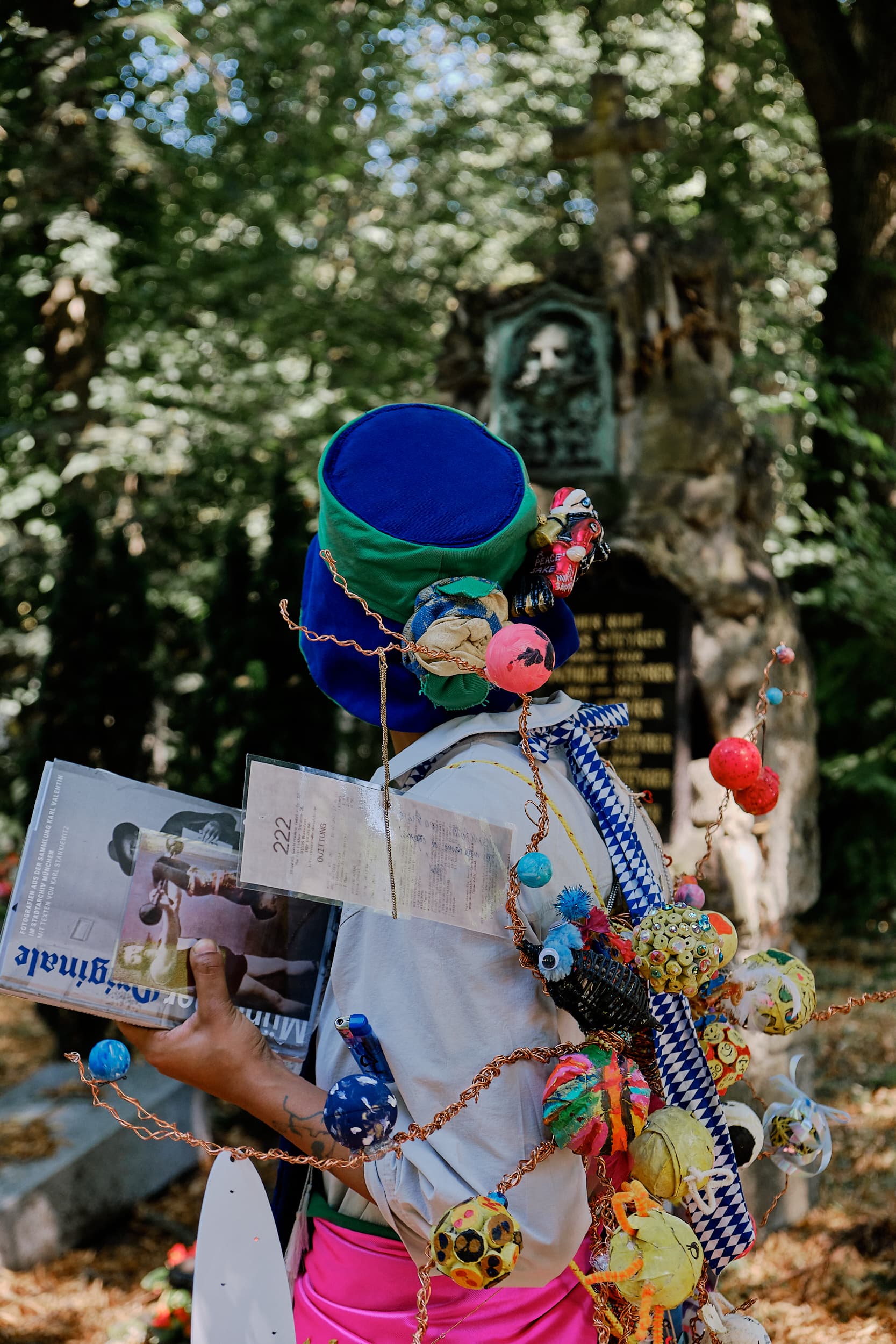
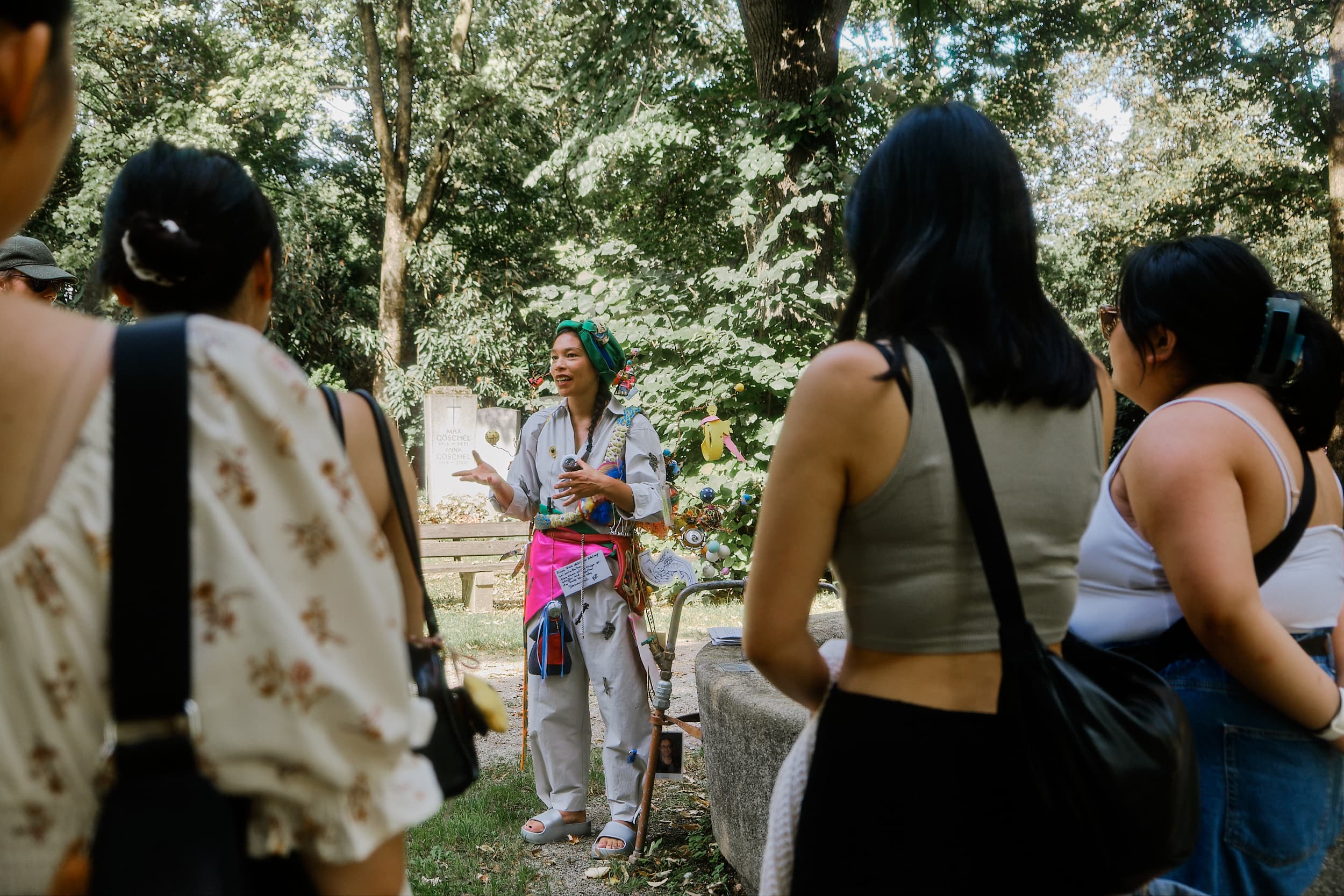
The walk includes a visit to Giesing's Eastern Cemetery, where Hans Steyer is buried. Featured in Karl Stankiewitz's 2019 book "Munich Originals", he is portrayed as one of Munich's unique subculture characters. The book, which features a photo collection by the famous Munich comedian Karl Valentin, presents eccentric personalities from the 19th and 20th centuries, including artists, musicians, philosophers, innkeepers, actors, and other quirky figures. A particularly fascinating character is Hans Held, known locally as the "Advertising Person". While walking through the neighborhood selling his wares, he collected various items from residents and attached them to his outfit. This interaction with objects in public space inspired "The Memory Person" to actively engage with local residents and passersby. Being a "Munich Original" doesn't require being born and raised in Munich. It's about being unique and creative - as everyone is - and expressing oneself in one's way, without fitting into any particular category.
Together with the participants of the city walk, the Memory Person visits streets in Giesing where forced laborers were imprisoned during the Nazi era. However, this history remains "invisible" as there are no signs or monuments to mark it. During World War II, Munich had a dense network of approximately 250 camps and quarters of various sizes and types for foreign workers. This situation arose primarily from the successful military actions of Nazi Germany against Poland, the Sowjet Union, France, Belgium, Denmark, and the Netherlands. As a result, mainly female citizens of these countries were imprisoned to compensate for the labor shortage in Germany. In the "Mollblock" at Giesing station, around 500 predominantly Polish forced laborers were housed, who were producing war equipment for Agfa, a large former factory in Giesing, until 1944.
The stories of the people who worked, involuntarily and voluntarily, in the Agfa camera factory are complex histories of exile and migration. These stories encompass not only forced labor during the Second World War but also the guest worker migration of the 1950s to 1970s. In the 1990s, the factory apartments of the Agfa company on Untersbergstraße were used by the government of Upper Bavaria as an initial reception center for asylum seekers.
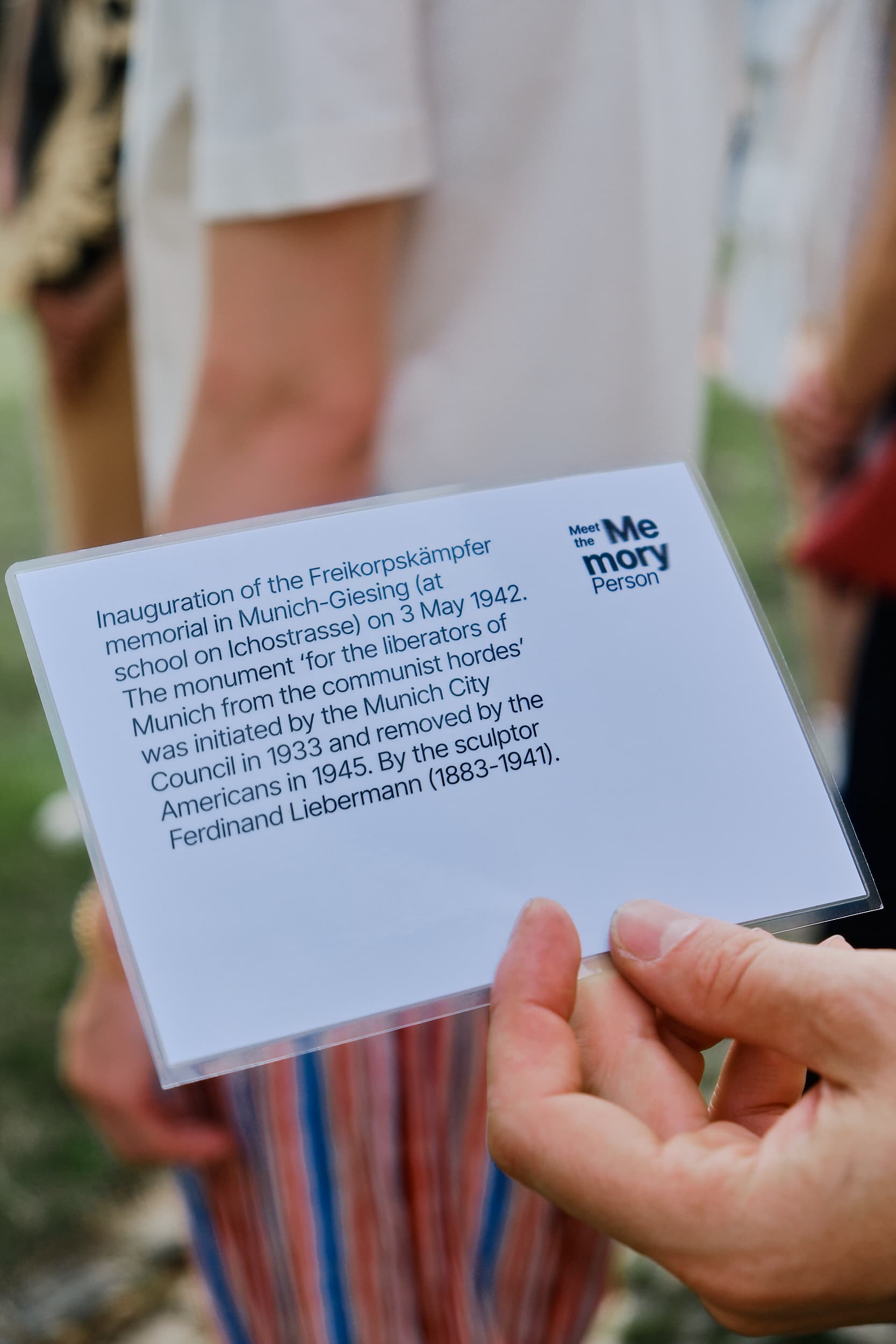
Another stop is a former monument on Giesinger Berg, located at the site of the courtyard wall on Silberhornstraße. The Freikorps monument, a 10-meter-high half-relief of a Freikorps soldier symbolically crushing the head of the "snake of revolution," has been missing since 1948. The sculptor Ferdinand Liebermann was commissioned by the Ministry of Culture in 1937 to create this monument, which was unveiled on May 3, 1942, in a sparsely attended inauguration ceremony. The Freikorps monument was contemptuously referred to by the people of Giesing as the "Nackertes Lackerl" and was smeared with tar by altar boys on the night before the unveiling. In 1945, American troops removed the monument upon their arrival in Giesing.
Memory Sites and Untold Stories
The walk includes a visit to Giesing's Eastern Cemetery, where Hans Steyer is buried. Featured in Karl Stankiewitz's 2019 book "Munich Originals", he is portrayed as one of Munich's unique subculture characters. The book, which features a photo collection by the famous Munich comedian Karl Valentin, presents eccentric personalities from the 19th and 20th centuries, including artists, musicians, philosophers, innkeepers, actors, and other quirky figures. A particularly fascinating character is Hans Held, known locally as the "Advertising Person". While walking through the neighborhood selling his wares, he collected various items from residents and attached them to his outfit. This interaction with objects in public space inspired "The Memory Person" to actively engage with local residents and passersby. Being a "Munich Original" doesn't require being born and raised in Munich. It's about being unique and creative - as everyone is - and expressing oneself in one's way, without fitting into any particular category.
Together with the participants of the city walk, the Memory Person visits streets in Giesing where forced laborers were imprisoned during the Nazi era. However, this history remains "invisible" as there are no signs or monuments to mark it. During World War II, Munich had a dense network of approximately 250 camps and quarters of various sizes and types for foreign workers. This situation arose primarily from the successful military actions of Nazi Germany against Poland, the Sowjet Union, France, Belgium, Denmark, and the Netherlands. As a result, mainly female citizens of these countries were imprisoned to compensate for the labor shortage in Germany. In the "Mollblock" at Giesing station, around 500 predominantly Polish forced laborers were housed, who were producing war equipment for Agfa, a large former factory in Giesing, until 1944.
The stories of the people who worked, involuntarily and voluntarily, in the Agfa camera factory are complex histories of exile and migration. These stories encompass not only forced labor during the Second World War but also the guest worker migration of the 1950s to 1970s. In the 1990s, the factory apartments of the Agfa company on Untersbergstraße were used by the government of Upper Bavaria as an initial reception center for asylum seekers.
Another stop is a former monument on Giesinger Berg, located at the site of the courtyard wall on Silberhornstraße. The Freikorps monument, a 10-meter-high half-relief of a Freikorps soldier symbolically crushing the head of the "snake of revolution," has been missing since 1948. The sculptor Ferdinand Liebermann was commissioned by the Ministry of Culture in 1937 to create this monument, which was unveiled on May 3, 1942, in a sparsely attended inauguration ceremony. The Freikorps monument was contemptuously referred to by the people of Giesing as the "Nackertes Lackerl" and was smeared with tar by altar boys on the night before the unveiling. In 1945, American troops removed the monument upon their arrival in Giesing.